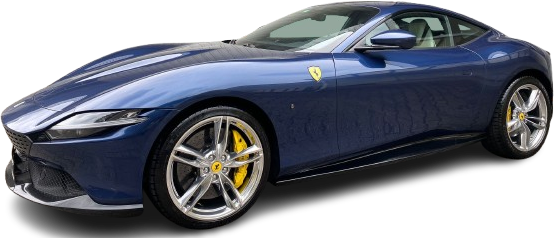
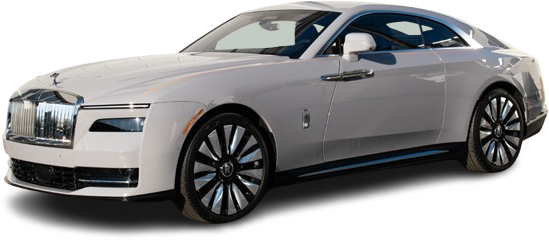
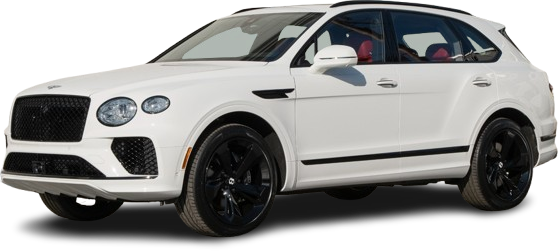
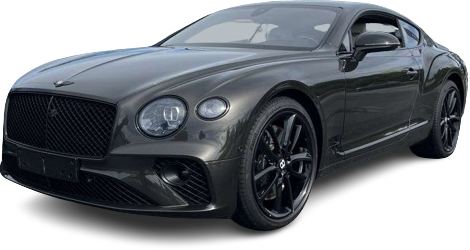
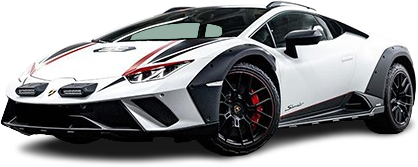
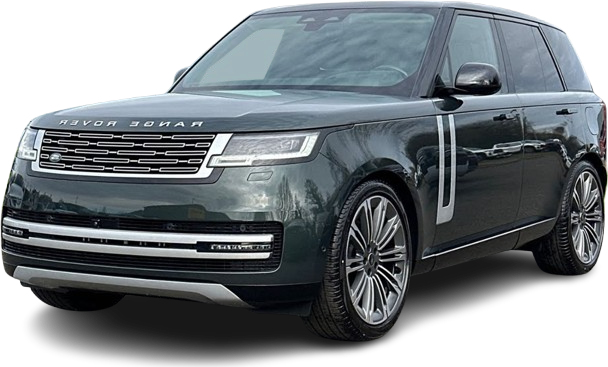
A Ferrari booked for a coastal weekend or a Range Rover delivered to a private villa should feel effortless. The wrong insurance setup changes that quickly. A clear guide to luxury car insurance matters because high-value vehicles come with different repair costs, different risk profiles, and very different expectations when something goes wrong.
Standard auto coverage language often sounds reassuring until you apply it to a six-figure car, a high-performance engine, or a rental agreement with strict liability terms. Luxury car insurance is not simply more expensive insurance. It is more specific insurance. The details around agreed value, loss of use, deductible exposure, wheel and tire damage, and cross-border driving matter far more when the vehicle itself is rare, powerful, or exceptionally costly to repair.
What makes luxury car insurance different
With a standard vehicle, an insurer may treat a claim as a routine repair. With a Bentley, Porsche, or McLaren, the claim can involve specialized parts, manufacturer-approved workshops, imported components, and longer downtime. That pushes claim values higher and makes the wording of the policy more important.
Luxury cars also attract a different insurance approach because they are often driven less frequently, stored more carefully, and used in more selective circumstances. That can work in the owner or renter’s favor, but only if the insurer or rental provider structures the policy accordingly. A generic policy built for everyday commuting may not reflect how a prestige vehicle is actually used.
For travelers, there is an added layer. Rental insurance for a premium vehicle is not the same as personal auto insurance at home. Many US drivers assume their domestic policy or credit card benefits will extend to an exotic or ultra-luxury rental abroad. Sometimes they do not. Even when there is some coverage, it may exclude high-value cars, performance models, long rental periods, or specific countries.
A practical guide to luxury car insurance coverage
The first thing to understand is what is actually being covered. In luxury rentals, there is usually more than one financial risk in play. There is damage to the vehicle, damage to third parties, theft, downtime, administrative fees, and the security deposit or excess amount that may still be your responsibility.
Collision and comprehensive coverage
Collision covers damage to the vehicle from an accident. Comprehensive typically addresses theft, vandalism, fire, weather events, or other non-collision losses. On a luxury car, this pair of protections forms the core of the policy, but the coverage limit and exclusions are where the real story sits.
If the vehicle is worth substantially more than an average car, the insurer must be prepared to settle a much larger claim. That sounds obvious, yet many drivers only realize the problem after discovering a policy cap, a category exclusion, or a restriction on exotic vehicles.
Third-party liability
This covers damage or injury caused to others. In Europe, liability requirements differ from what many US travelers are used to, and minimum legal coverage is not always the same as comfortable protection. If you are driving a high-profile vehicle in a dense urban area or on unfamiliar roads, stronger liability protection is often worth the added cost.
Theft and vandalism
Prestige vehicles attract attention. In most cases, professional rental providers build theft protection into the insurance framework, but liability may shift if the contract terms are breached. Leaving keys unsecured, allowing an unauthorized driver behind the wheel, or parking in prohibited conditions can create expensive complications.
Loss of use and diminished value
This is one of the least understood parts of a luxury rental claim. If a car is damaged and unavailable for future bookings, the rental provider may charge for loss of use. In some cases, there may also be an argument about diminished value after repairs. These costs can sit outside what casual renters expect, which is why reading the rental agreement matters as much as reviewing the policy summary.
The deductible is where most surprises happen
Luxury car insurance often looks generous until you get to the deductible, also called the excess. That is the amount you remain responsible for before the policy fully responds. On a premium vehicle, that figure can be substantial.
This is where travelers need to separate “insured” from “fully protected.” A rental may include insurance, but still leave you exposed to a meaningful out-of-pocket amount. Some providers offer excess reduction or additional protection packages to reduce that exposure. Whether it is worth buying depends on the car, the driving route, the duration of the trip, and your own tolerance for risk.
For a short city stay with limited driving, one answer may make sense. For a longer itinerary through Lisbon, Cascais, Comporta, and the Algarve in a high-performance cabriolet, another may be wiser. Luxury travel works best when there is no uncertainty hanging over the experience.
Common exclusions to watch closely
The elegant presentation of a premium booking should never distract from policy exclusions. Those exclusions are often standard, but the financial consequences are larger with a luxury vehicle.
Unauthorized drivers are a frequent issue. If someone not named on the agreement drives the car, coverage may be reduced or voided. Tire, wheel, and underbody damage also deserve attention, especially on sports cars with low ground clearance. These claims are more common than people think, and some contracts treat them differently from general collision damage.
Driving under the influence, reckless driving, using the car on a track, or taking it outside approved territories are obvious red lines. Less obvious are situations involving valet parking, ferry transport, negligence with keys, or late reporting after an incident. If anything happens, the response should be immediate and properly documented.
Credit card coverage is rarely enough for this category
Many affluent travelers prefer using premium credit cards because they may include rental car benefits. That can be useful, but it should never be assumed to replace dedicated luxury car insurance.
Credit card protection often comes with vehicle value limits, exclusions for exotic brands, and country restrictions. Some cards cover only damage to the rental vehicle, not third-party liability. Others work on a secondary basis, meaning they step in only after another policy responds. A few exclude rentals booked through certain structures or commercial arrangements.
For a standard sedan, that gray area may be manageable. For a Rolls-Royce or Lamborghini, it is not the level of certainty most clients want. Before travel, ask for the exact terms in writing and verify whether the specific vehicle category is covered.
If you own a luxury car, agreed value matters
This guide to luxury car insurance would be incomplete without addressing ownership. If you own rather than rent, one of the most important policy features is agreed value or guaranteed value coverage. Standard policies may depreciate a car in ways that do not reflect the real market for collectible, rare, or highly specified vehicles.
An agreed value policy sets the insured amount in advance. That reduces dispute if the car is declared a total loss. For vehicles with custom options, limited production runs, or a strong collector market, this can be far more appropriate than a generic valuation method.
Owners should also think beyond the car itself. Storage conditions, mileage limits, named drivers, and usage patterns all affect how the policy is structured. A vehicle used for weekend escapes and seasonal travel should not be insured the same way as a daily commuter.
How to choose the right protection for a rental
Start with the rental agreement, not assumptions. Confirm what is included, what your maximum liability is, and whether the deductible can be reduced. Then ask practical questions: Who is authorized to drive? Are wheels and glass included? Is roadside assistance part of the package? What happens if the car is damaged and cannot be driven?
The best luxury providers present these terms clearly and handle them with discretion and precision. That matters. High-end travel is about preserving time, comfort, and confidence. Insurance should support that experience, not become a negotiation after delivery.
If your itinerary includes multiple destinations, private residences, airport delivery, or longer-term use, ask whether the insurance terms change based on location, duration, or driving territory. A bespoke service should be able to explain this without vague language.
A carefully managed provider like MaxCarTravel understands that clients are not simply renting transportation. They are protecting a broader experience – schedule, privacy, convenience, and peace of mind included.
The right insurance should feel quiet
The best luxury car insurance does not call attention to itself. It sits in the background, properly structured, clearly explained, and ready if needed. That is the standard worth expecting whether you are reserving a prestige SUV for family travel or taking delivery of a supercar for a special week in Portugal.
If a policy feels confusing, incomplete, or overly dependent on assumptions, it is probably the wrong one. When the vehicle is exceptional, the protection should be equally considered.


 English
 Português
 Español
 Français
 Deutsch
 Svenska
 Українська
 Русский